
OHANA Master Strategy Atlas
For founders and community builders: an interconnected visual atlas showing what to build, how it works, where money comes from, and how it spreads.

OHANA Master Strategy AtlasBy Raul
Business and community, mapped together
From the ecosystem to the first 90 days
See how the pieces connect.
One shared vision
A business plan written inside connected maps
By Raul
An ecosystem map plus eight strategy maps
Includes a 90-day execution roadmap
OHANA Master Strategy Atlas
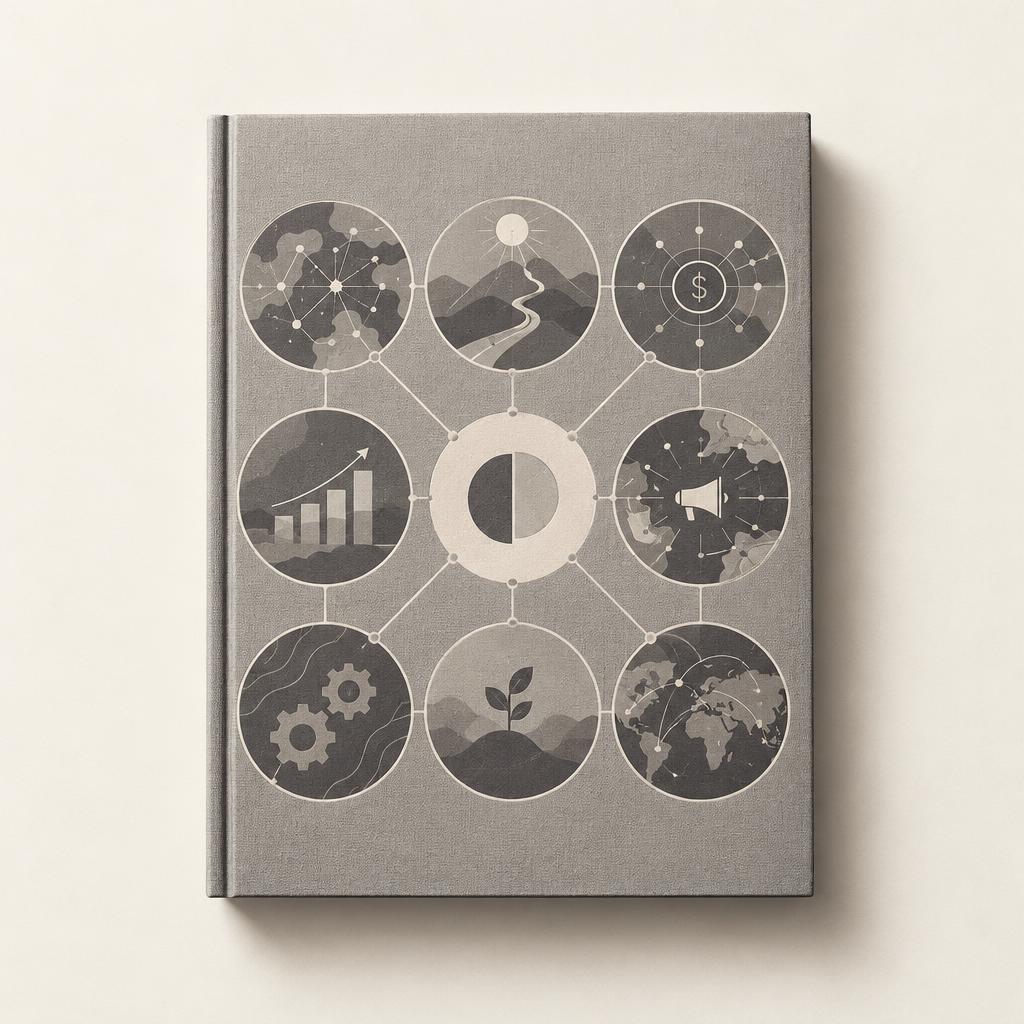
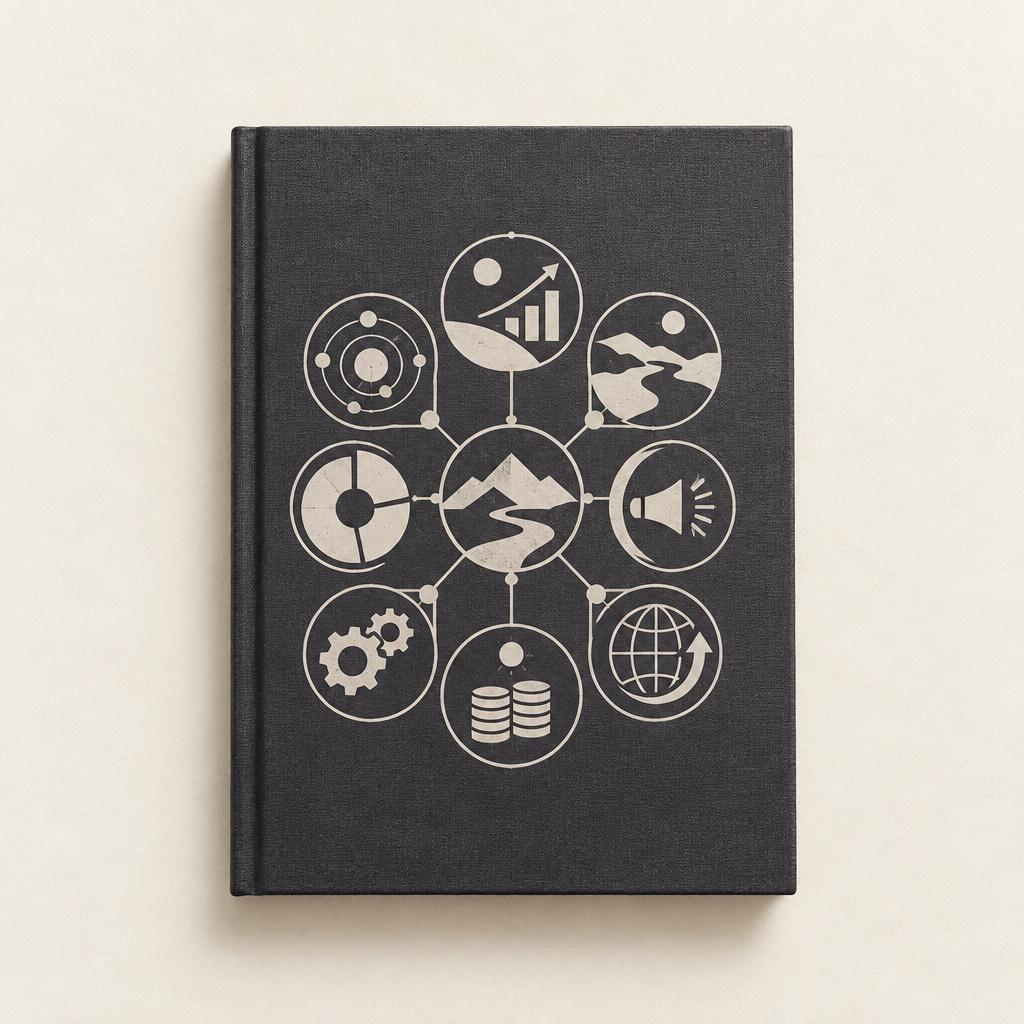
A living blueprint, not a plan left on a shelf. What do we build, how does it work, and where does money come from? Follow the connections between enterprise, technology, education, food, housing, and community. Then explore the growth engine, revenue network, leadership, and first steps that could bring them together.
See how OHANA connects
From shared vision to practical next steps.
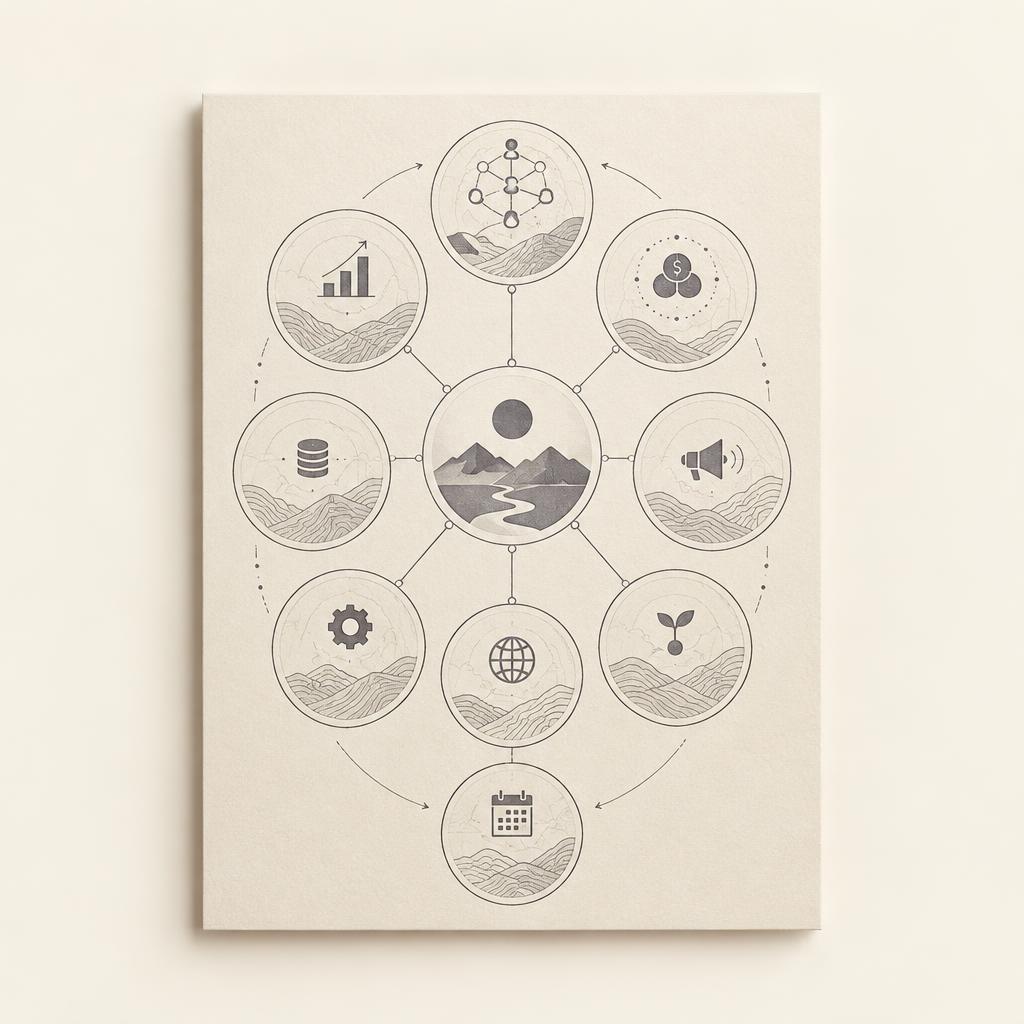
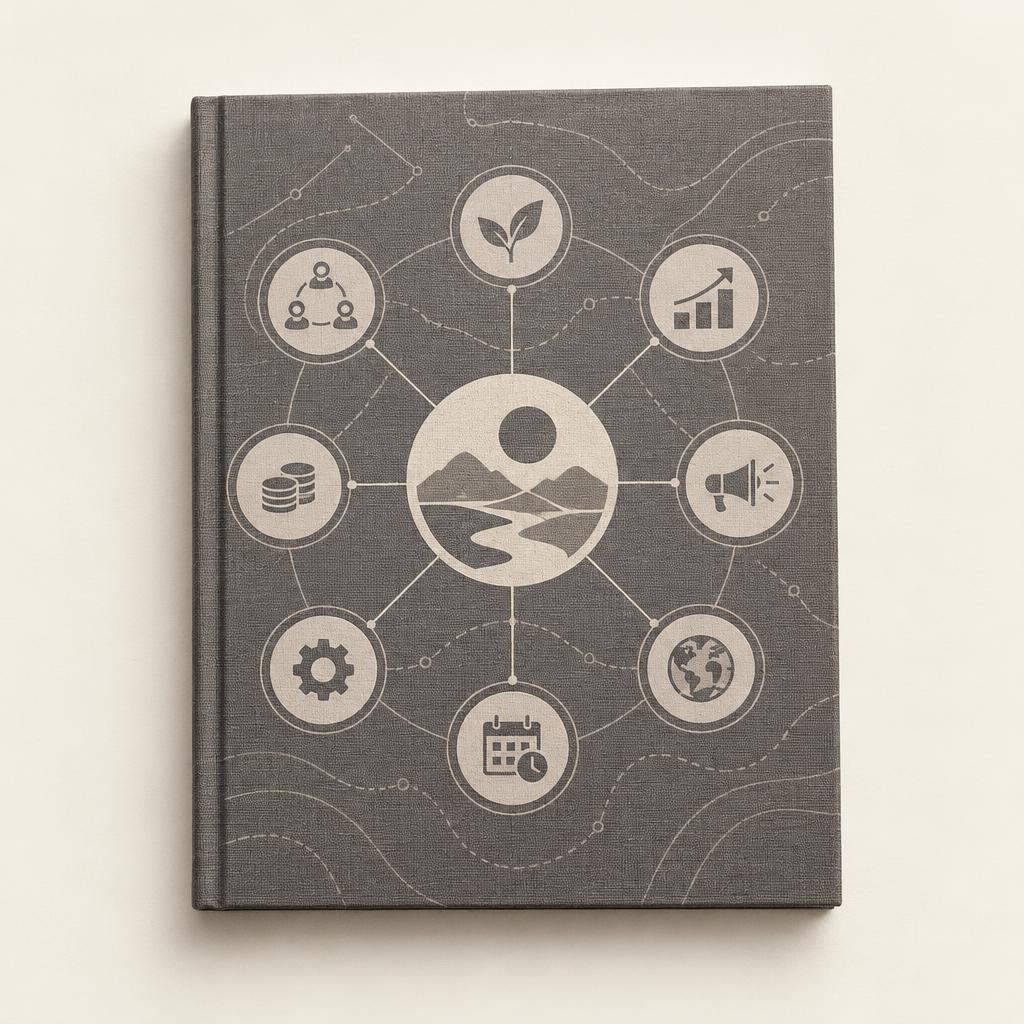
The ecosystem
Explore eight proposed parts of OHANA, from commercial stewardship and technology to education, housing, agriculture, and creative work.
Growth through participation
Trace the proposed cycle: discover OHANA, join the community, perform kindness, share a story, and invite others.
Three distinct values
Keep kindness recognition, contributed time, and commercial payments separate. Kindness points are non-cash recognition, not money.
Revenue and stories
Explore proposed commercial revenue sources alongside story-led campaigns that invite people to participate and support local businesses.
Leadership and capital
See proposed governance roles and preliminary startup allowances, with commercial operations separate from nonprofit and church activities.
The next steps
Follow a five-year expansion plan and a first-90-days roadmap organized around build, test, and grow.
Connect the pieces.
Explore the atlas →Inside the strategy maps
A look at five connected ideas.
Map 1 — The viral growth engine
One person discovers OHANA and joins the free community. Kindness, recognition, shared stories, and invitations form the proposed growth cycle.
Get the atlas →Map 2 — The positive currency economy
Kindness points recognize contributions without cash value. Time exchange records contributed and requested time; US dollars remain the separate payment system.
Get the atlas →Map 3 — The revenue network
Automotive, distribution, technology, and creative IP are proposed commercial revenue sources. Sustainable profits come after expenses, taxes, obligations, and reserves; community funding follows lawful, independent routes.
Get the atlas →Map 4 — The viral marketing network
Build marketing around stories people want to share. Campaign ideas include 30 Days of OHANA, Give an Hour, Shop OHANA, Blue Heron Challenge, and No One Left Behind.
Get the atlas →Map 5 — Operations and leadership
Map responsibilities across business, technology, finance, nonprofit oversight, church leadership, and community feedback. Proposed ownership and governance structures must be legally established.
Get the atlas →Ready to connect the pieces?
Explore a shared vision for business and community, with the relationships and next steps mapped out.
- See what to build.
- Understand where revenue could come from.
- Follow the first 90 days.
OHANA Master Strategy AtlasBy Raul
The whole plan, connected
Your purchase includes the complete OHANA strategy atlas, connecting the ecosystem with growth, revenue, operations, capital, expansion, and the first 90 days.
- The OHANA ecosystem map
- Growth and positive currency maps
- Revenue and marketing maps
- Operations and leadership map
- Startup capital and five-year expansion maps
- First-90-days execution roadmap
Before you begin
Who is this atlas for?
Founders and community builders exploring an interconnected business and community ecosystem. It maps the OHANA plan, rather than offering a generic business template.
Is this an already operating ecosystem?
The atlas describes proposed relationships and plans. Ownership and governance structures must be legally established; nonprofit and church activities remain separate from commercial ownership.
Are kindness points money?
No. Kindness points are non-cash recognition. Time exchange records contributed and requested time, while US dollars remain the separate payment system.
Are the budgets confirmed costs?
No. Startup figures are preliminary planning allowances. They exclude property purchases, major equipment, and ongoing payroll.
Are growth and launch targets guaranteed?
No. The invitation tree is illustrative, and 90-day figures are targets, not achieved results. Actual participation depends on accepted invitations and continued activity.
The person behind the plan

Raul — owner
Raul runs OHANA Business Atlas. His vision is to turn the OHANA business plan into interconnected maps showing what to build, how it works, where money comes from, and how it spreads.
- Business strategy
- Community
- Ecosystem planning
One family. One community. One mission.
Different stories. Shared purpose.
Explore the connections between what we build, how we support one another, and the next steps toward a shared vision.